
Most families expect the hardest part to be the move itself, the boxes, the logistics, the conversation. What surprises them is what comes after: a quiet, unsettling fear that the distance will become more than physical. That visiting will feel like obligation rather than love. That something irreplaceable will slowly dissolve.
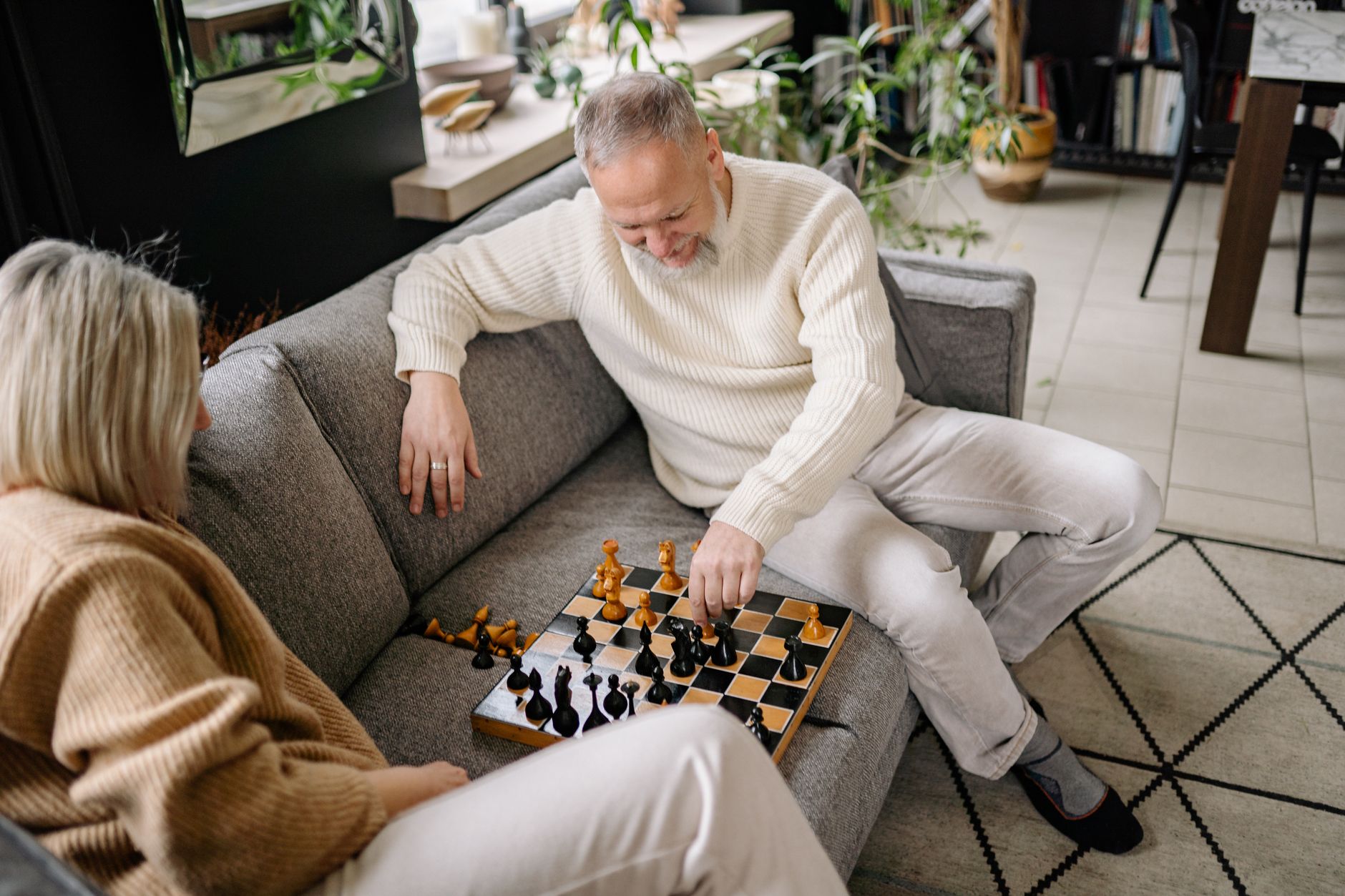
It does not have to. When a parent moves to senior living, whether to an assisted living community, an independent living residence, or a memory care program, the relationship does not end. For many families, it transforms into something more intentional, more present, and more meaningful than what caregiving exhaustion had left room for. The research supports this. There is a quiet shift that happens when you are no longer the one managing every medication and worrying over every fall. You get to go back to being a son or daughter first, and the conversations you share become richer for it.
This guide is for the family member who is still not sure they made the right call. The one checking their phone on the drive home, wondering if their parent feels abandoned. You did not abandon anyone. And with the right approach, the relationship you feared losing can become one you actively build.
What Most Families Wish They Had Known Before the Move
The single most common thing families say, after a parent has settled into a senior living community, is this: “I wish I had done it sooner.” Not because senior living is a solution to a problem, but because the weight of solo caregiving had quietly eroded the relationship itself. When every visit is a triage, checking the pantry, counting pills, scanning for fall hazards, there is very little room for the kind of conversation that actually matters.
Caregiver transition stress is a recognized psychological phenomenon. It describes the disorientation many adult children experience in the weeks following a parent’s move: the guilt, the second-guessing, the instinct to call three times a day to compensate. This is normal. It is also temporary. What families who navigate this transition well have in common is not that they felt less guilt, it is that they redirected that energy into intentional connection rather than anxious monitoring.
At Avanti, we have seen one pattern hold true again and again: the families who thrive post-transition are the ones who decide, early and deliberately, what kind of relationship they want to build inside the new environment. They do not wait for connection to happen. They design it.
How a Parent Moving to Senior Living Can Actually Strengthen the Relationship
This is the counterintuitive truth that most brochures do not say plainly enough: role reversal grief, the grief that comes from watching your parent need help you cannot fully provide, does not end when a parent moves. But it changes character. In senior living, the professional care team carries the daily clinical and safety burden. That means you walk through the door as a son or daughter again, not a nurse, not a household manager, not an emergency responder.
Consider what that actually looks like. You arrive on a Tuesday afternoon. Your mother is already dressed, has already had lunch, is already engaged in an activity she enjoys. You sit together in a comfortable common space. There is no urgent task waiting. No prescription to refill. No pile of mail to sort. There is just the two of you, with time.
That is not a diminished relationship. That is a reclaimed one.
Research from the National Institute on Aging consistently emphasizes that social connection is one of the strongest predictors of cognitive and emotional wellbeing in older adults, and that the quality of that connection matters more than frequency alone. Senior living communities that are thoughtfully designed, with communal dining, programming, and spaces that invite interaction, create the conditions for meaningful connection, rather than transactional check-ins.
At Avanti, every community is built around a simple belief: a meaningful life is designed, not left to chance. That belief comes to life through our Life Design Curator. While many communities call this role activities or social engagement, at Avanti it is something far more intentional. The Life Design Curator gets to know each resident as an individual, then shapes their days around what genuinely brings them joy, purpose, and connection, turning an ordinary day into one worth looking forward to. It is the difference between filling a calendar and building a life.
That same intention extends to the table. The Taste Restaurant experience is not incidental, it is architectural. When families share a meal with a resident in a genuinely beautiful dining environment, something shifts in the quality of the visit. The environment signals: this matters. This person matters. That signal is not subtle.
Practical Strategies for Staying Close After the Move
Build a Rhythm, Not a Routine
There is a difference between visiting out of duty and visiting with intention. Visit rhythms, consistent, predictable patterns of contact that both parent and child can anticipate, provide emotional security without becoming rote. A standing Sunday afternoon visit. A Wednesday evening video call. A monthly family dinner at the community’s dining room.
The key is consistency over frequency. A parent who knows their child will call every Thursday at 6 PM experiences that call very differently than a parent who waits and wonders. Predictability is a form of love.
- Shared meals: Reserve time at the community dining table, at Avanti’s Taste Restaurant, families are welcomed as guests, not visitors.
- Activity participation: Join your parent for a scheduled community event once a month. Sitting side-by-side in an experience creates connection that a hallway conversation rarely does.
- Community programming calendar: Ask the Avanti team for a monthly activity schedule so you can plan visits around events your parent is excited about.
Use Technology as a Bridge, Not a Substitute
Digital connection tools have become central to family engagement in senior living, and when used well, they supplement in-person visits rather than replacing them. A quick video call between visits, a shared photo, or a message at the end of the day helps families stay woven into a resident’s everyday life, keeping connection consistent rather than confined to scheduled visits. The goal is simple: technology should bring families closer, never stand in for showing up.
Shared photo apps, platforms that allow families to post photos that display directly to a resident’s personal device, have become one of the most consistently effective tools for maintaining daily emotional connection. They require almost no effort from the adult child and deliver significant psychological benefit to the resident: the sense of being included, thought of, present in the family’s daily life.
Partner With the Care Team
This is the strategy most families underutilize. The care team at a quality senior living community is not a barrier between you and your parent, they are your most informed partner. Structured meetings between the adult child, the care coordinator, and relevant clinical staff, give families a comprehensive picture of their parent’s wellbeing: physical health trends, emotional state, social engagement, any behavioral changes worth noting.
At Avanti communities, families are encouraged to ask for updates on activity participation. You can share information about emotional patterns or dietary preferences the team should know. You can flag concerns before they become crises. This kind of engaged partnership is not micromanagement, it is exactly what good care looks like from the family side.
For families navigating a parent’s memory care journey, Salize Memory Care at Avanti communities offers structured family engagement protocols specifically designed to maintain meaningful connection even as cognitive capacity changes. The approaches differ meaningfully from assisted living, because the relationship with a parent who has dementia requires different tools, different expectations, and different definitions of connection.
Coordinate With Siblings and Extended Family
Sibling dynamics are one of the most underacknowledged stressors in the post-move period. One child visits frequently and feels resentment. Another lives across the country and feels guilt. A third questions every care decision from a distance. These tensions are almost universal, and they are almost always better managed through structure than through conversation alone.
A simple shared family communication log, even a group text thread with agreed-upon norms, can reduce misunderstandings significantly. Assigning different family members different roles (one coordinates with the care team, one manages the visit calendar, one handles financial communications) distributes the emotional and logistical load more equitably.
What to Look For in a Senior Living Community That Supports Family Connection
Not every senior living community treats family involvement as a priority. Some treat it as an afterthought, a visiting hours policy, a bulletin board in the lobby. The difference, at the community level, is observable.
When evaluating a senior living community, look for:
- Family programming, events and meals designed for residents and their families together
- Transparent communication systems, resident portals, scheduled care conferences, proactive outreach from staff
- Physical environment, spaces that feel inviting for guests, not institutional or sterile
- Staff continuity, low turnover means your parent has consistent relationships, and so do you
At Avanti, we believe that exceptional senior living is not measured solely by clinical outcomes, though those matter deeply. It is measured by whether a family feels genuinely welcome and consistently informed. Whether they leave a visit feeling better than when they arrived. Whether the community feels like a place their parent chose, not a place they were placed.
FAQ
Q: How often should I visit my parent after they move to senior living? A: There is no universal answer, but consistency matters more than frequency. Research suggests that predictable, meaningful visits, even once or twice a week, produce better emotional outcomes than sporadic, guilt-driven marathon visits. Work with the care team to identify times when your parent is most alert and engaged.
Q: Will my parent feel abandoned after moving to senior living? A: This fear is extremely common among adult children, and the honest answer is: it depends entirely on how intentionally the family stays connected. Parents who receive consistent, warm contact from family, visits, calls, shared activities, rarely report feeling abandoned. Parents who see dramatic drops in family engagement after the move may struggle. The move itself is not the risk. The relationship strategy after the move is.
Q: What is the difference between assisted living and memory care, and does it affect how I stay connected? A: Assisted living supports residents who need help with daily activities but retain significant cognitive independence. Memory care, such as Avanti’s Salize Memory Care program, provides specialized environments and programming for residents living with Alzheimer’s disease or other forms of dementia. Connection strategies differ meaningfully between the two. In memory care, shorter, more sensory-focused visits, music, touch, shared meals, often produce more meaningful engagement than conversation-heavy visits.
Q: How do I know if the senior living community is actually taking good care of my parent? A: Beyond scheduled tours and brochures, look for three things: staff who greet your parent by name and engage them naturally, a life enrichment calendar that reflects genuine variety and resident-appropriate programming, and a care team that proactively communicates with you rather than waiting for you to ask. If you consistently have to chase information, that is a signal worth paying attention to.
The families who carry no regrets are not the ones who never felt guilt. They are the ones who chose, after the hardest decision they had ever made, to stay. To show up with intention. To let the relationship become something different, and discover that different, in this case, could mean better.
If you are navigating this transition and want to understand how Avanti Senior Living supports family connection across all of our communities, contact us to learn more. We would be honored to walk alongside you.